Research & Programs
My applied research journey began as a NASA Space Grant Undergraduate Researcher at the Office of Arid Lands Studies in 2006 at the University of Arizona. It has since taken me across the desert landscapes of Arizona, the mountains of Tajikistan, and into multi-country and transcontinental research collaborations with diverse individuals and communities.
The projects below feature just a selection of that work. Each reflects a consistent set of commitments to rigorous and relevant research, to programs that invest in local leadership and institutional capacity, and to translating evidence into decisions that serve society and the environment. They are presented roughly in order of scale and recency, beginning with the most recent flagship program and moving toward the formative work.
Climate Adaptation Research Program
Principal Investigator | 2022-2025
Catalyzing a new generation of climate adaptation research for Disaster Risk ReDuction
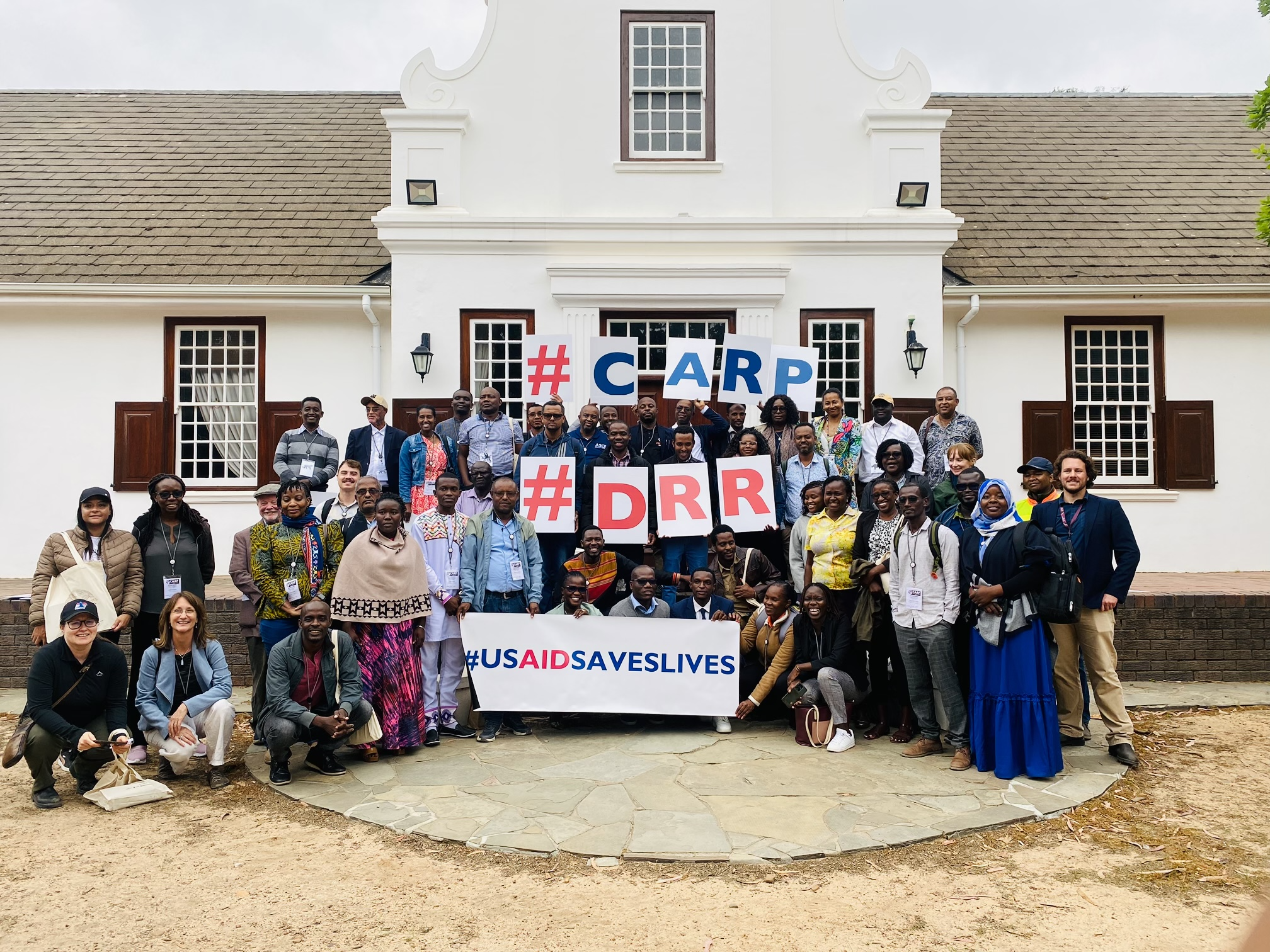
I led a transcontinental and collaborative research program spanning Africa, Latin America and the Caribbean, and the Pacific Islands. The program was in the process of connecting 300+ early-career scholars across 55+ countries to the grants, training, and peer networks needed to advance locally-led disaster risk reduction and climate adaptation research. We built the program of 18 international collaborators and 8 student research assistants across four institutional partners and three continents.
The program concluded early in 2025 following federal funding terminations.
Humanitarian Assistance Technical Support & Enhancing Evidence for Humanitarian Action
Program Manager & Co-Principal Investigator | 2021-2025 | USAID Bureau for Humanitarian Assistance
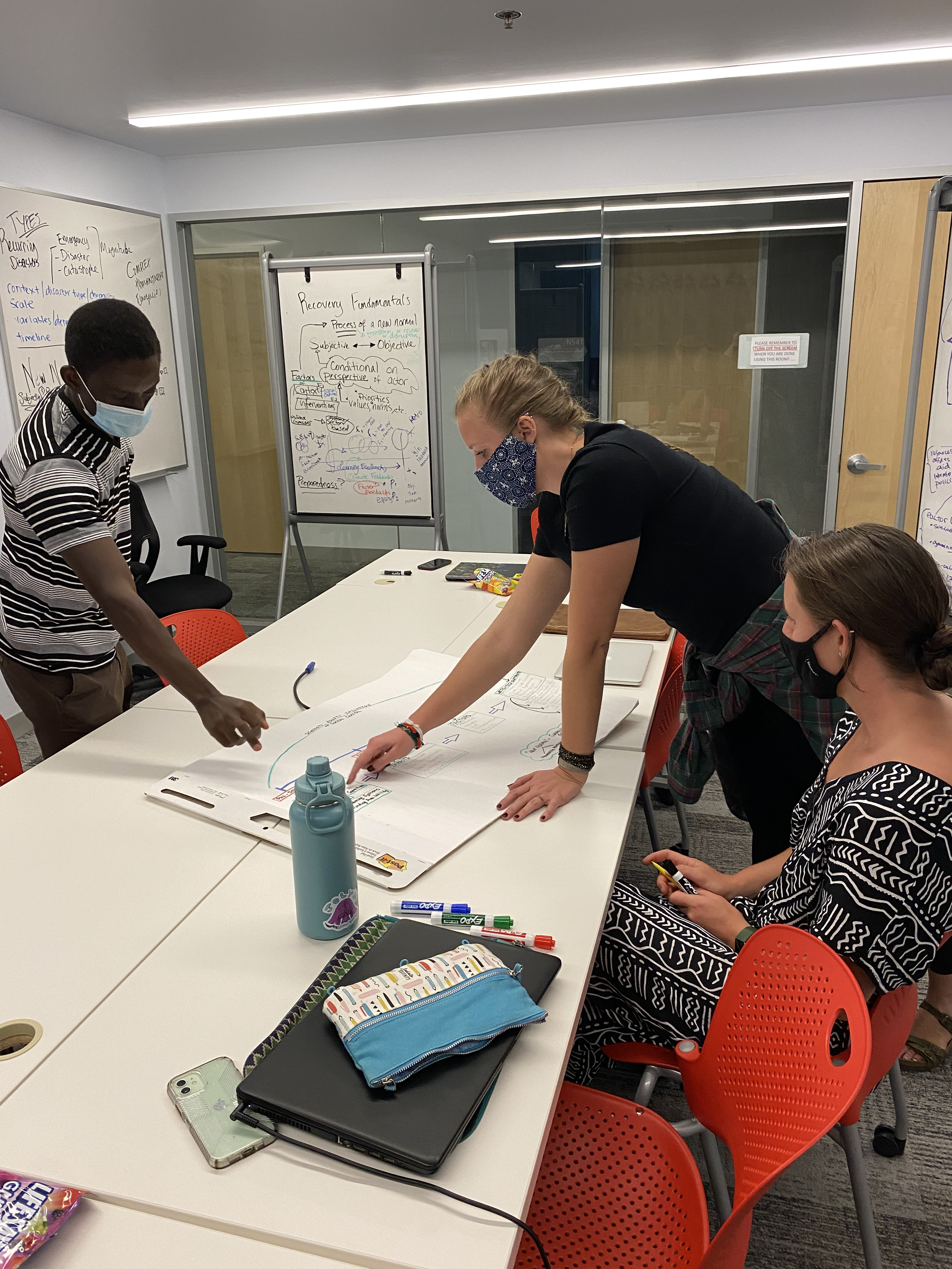
The Humanitarian Assistance Technical Support (HATS) initiative was designed to provide technical support to the USAID Bureau for Humanitarian Assistance and strengthen institutional capacity of the University of Arizona in the areas of research and learning related to humanitarian assistance and international development. As the Program Manager for HATS, I served as the primary liaison between the University of Arizona and the USAID Bureau for Humanitarian Assistance and managed a team of graduate and undergraduate students to work on various HATS program management and research activities (18 students over the course of the program).
HATS developed the institutional foundation to support learning, exchange, and research proposal development and funding acquisition for University of Arizona faculty, students, and staff across multiple campus departments and units. HATS established a partnership with Stellenbosch University's PERIPERI-U network that would become the cornerstone of CARP. This role required navigating the distinct cultures and priorities of academia and the federal government simultaneously, building trust across both.
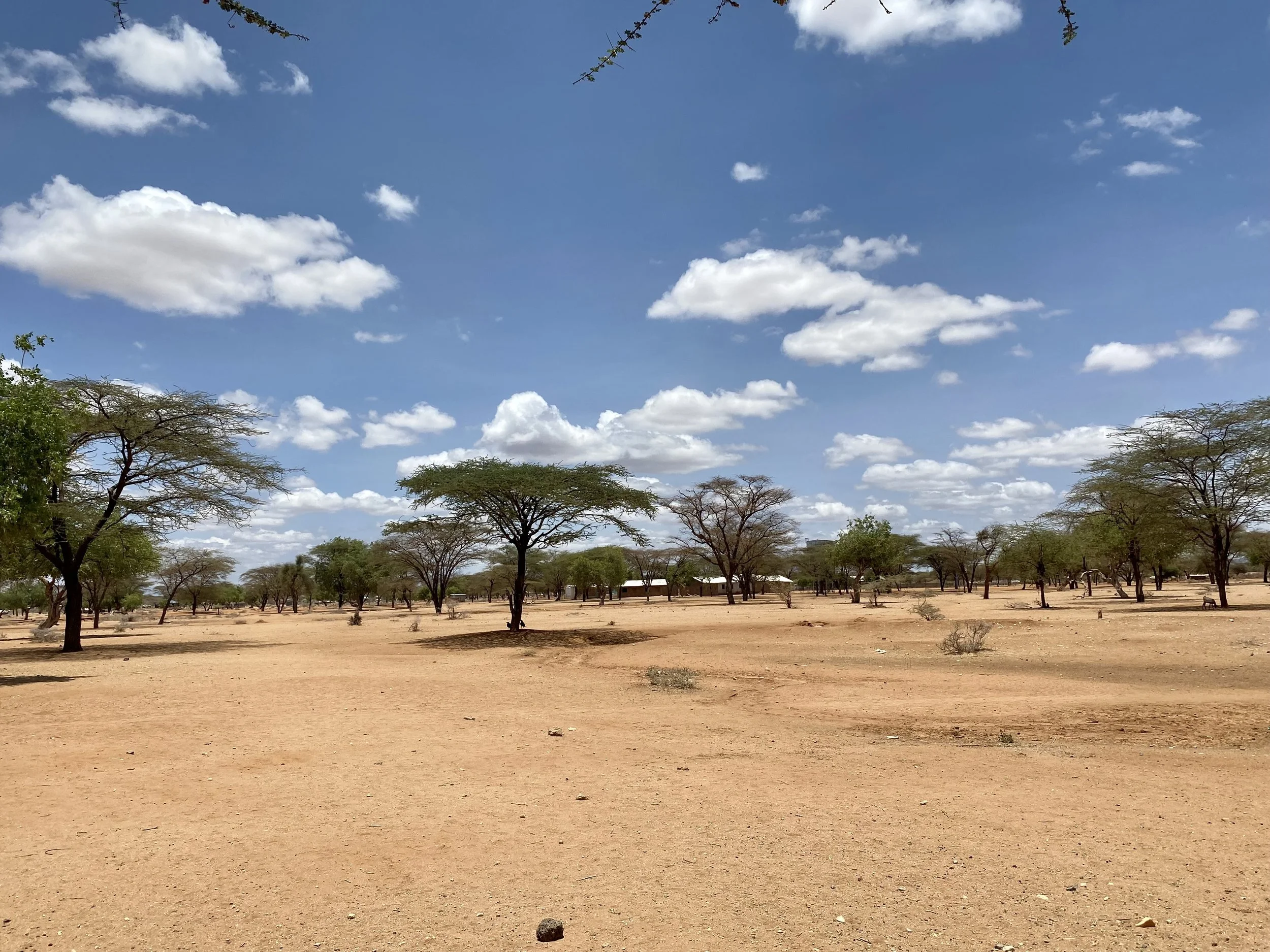
Within this environment, I served as a Co-Principal Investigator on the $1M Enhancing Evidence for Humanitarian Action in the Face of Climate Change project. I led the systematic review of the Bureau for Humanitarian Assistance’s emergency programs, contributed to practitioner workshops in Kenya, and developed a typology of monitoring and evaluation indicators for emergency programming that was included in a peer-reviews paper in the International Journal of Disaster Risk Reduction (Read the paper). The typology addressed a longstanding gap in how humanitarian programs measure and communicate their outcomes and was intended as a practical tool for organizations to streamline the design and evaluation of emergency interventions.
Global Fair Share Games
Co-Founder | 2026-present
Most people understand environmental governance in the abstract. Fewer have experienced what it actually feels like to negotiate rules for managing environmental resources, weigh short-term costs against long-term resilience, or mobilize consensus across stakeholders with fundamentally different and competing interests. Global Fair Share Games was built to close that gap.
Global Fair Share Games is an experiential learning venture that transforms real-world environmental and resource governance challenges into collaborative learning experiences through tabletop games, educational programming, facilitation tools, and consulting. The platform is designed to support systems thinking, environmental literacy, and collective problem-solving. We seek to make the dynamics of environmental governance tangible and accessible to students, practitioners, and decision-makers alike.
Building Equitable and Resilient Urban Food Systems in Southern Africa
Co-Lead | 2022-2024
Southern African Resilience Academy | Global Resilience Partnership
Urban food insecurity in Southern Africa is shaped by food price shocks, climate variability, informal market disruptions, and the compounding pressures of economic instability on low-income households. Addressing these challenges requires bringing researchers, practitioners, and decision-makers into the same room with the same evidence.
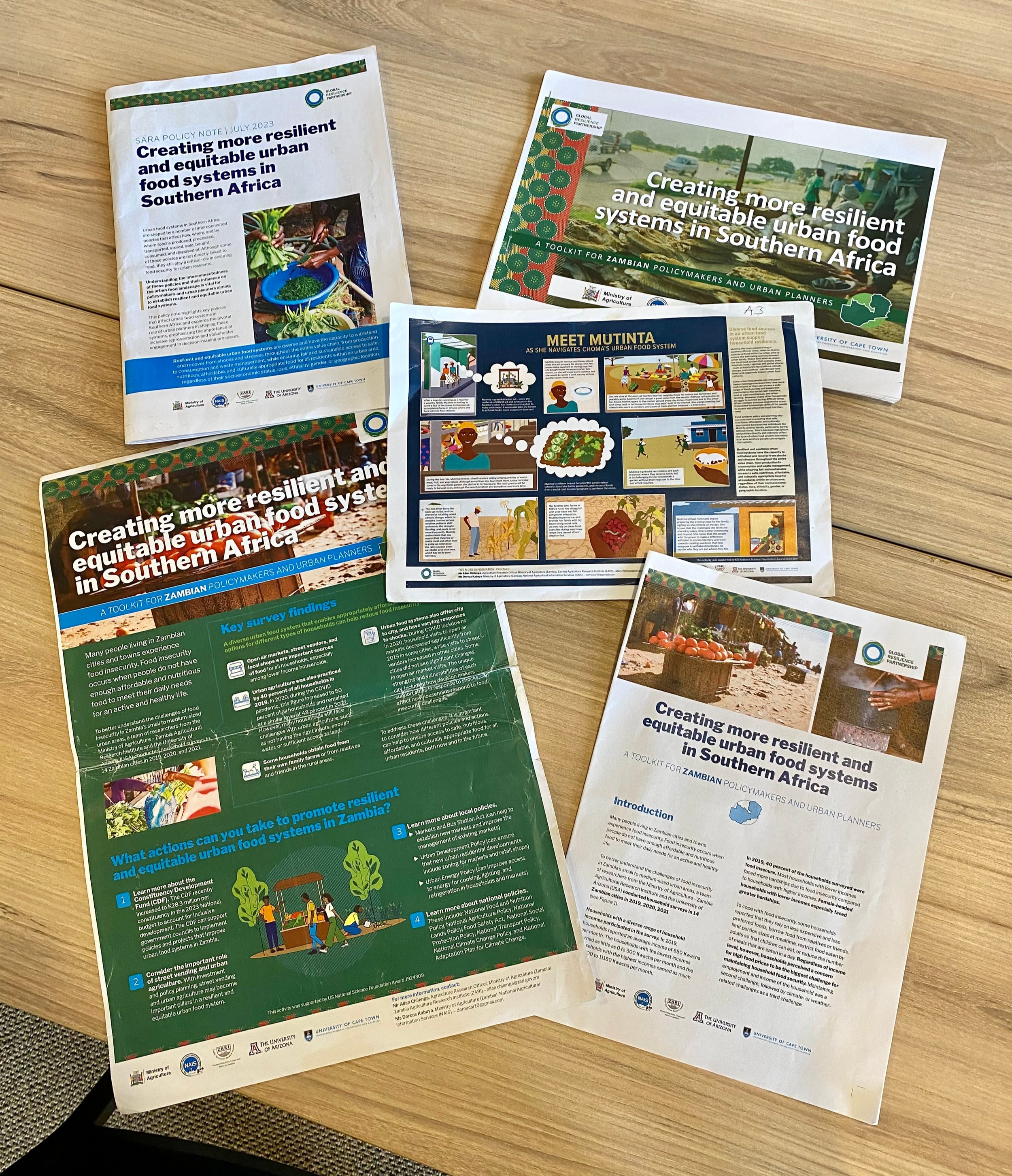
I co-led an interdisciplinary scholar-practitioner working group through the Southern African Resilience Academy, a Global Resilience Partnership initiative coordinated through the Centre for Sustainability Transitions at Stellenbosch University. Our working group synthesized research on urban food system resilience and equity across Southern Africa and produced an empirical study of household resilience and equity in the urban food systems of Zambia’s secondary cities. Outputs were produced and designed to reach both academic and non-academic audiences.
We published a peer-reviewed journal article in Ecology and Society and produced and shared a policy note for urban stakeholders and planners across the Southern African region, a practical toolkit for Zambian policymakers and urban planners, and Meet Mutinta, an animated narrative depicting the daily food system challenges facing low-income urban households in Choma, Zambia. These materials and the research findings were shared with municipal leaders and committees in urban centers across Zambia and offered an accessible account of urban food insecurity for Southern African policymakers and planners.
Water Justice Knowledge Exchange
Collaborator & Faculty Advisor | 2023–Present | University of Arizona
Rigorous research on water justice hinges on meaningful partnerships between academic researchers and the communities most affected by water injustice. The Water Justice Knowledge Exchange (WJKX) was designed to surface and share what those partnerships actually look like in practice across different contexts, different institutions, and different definitions of justice.
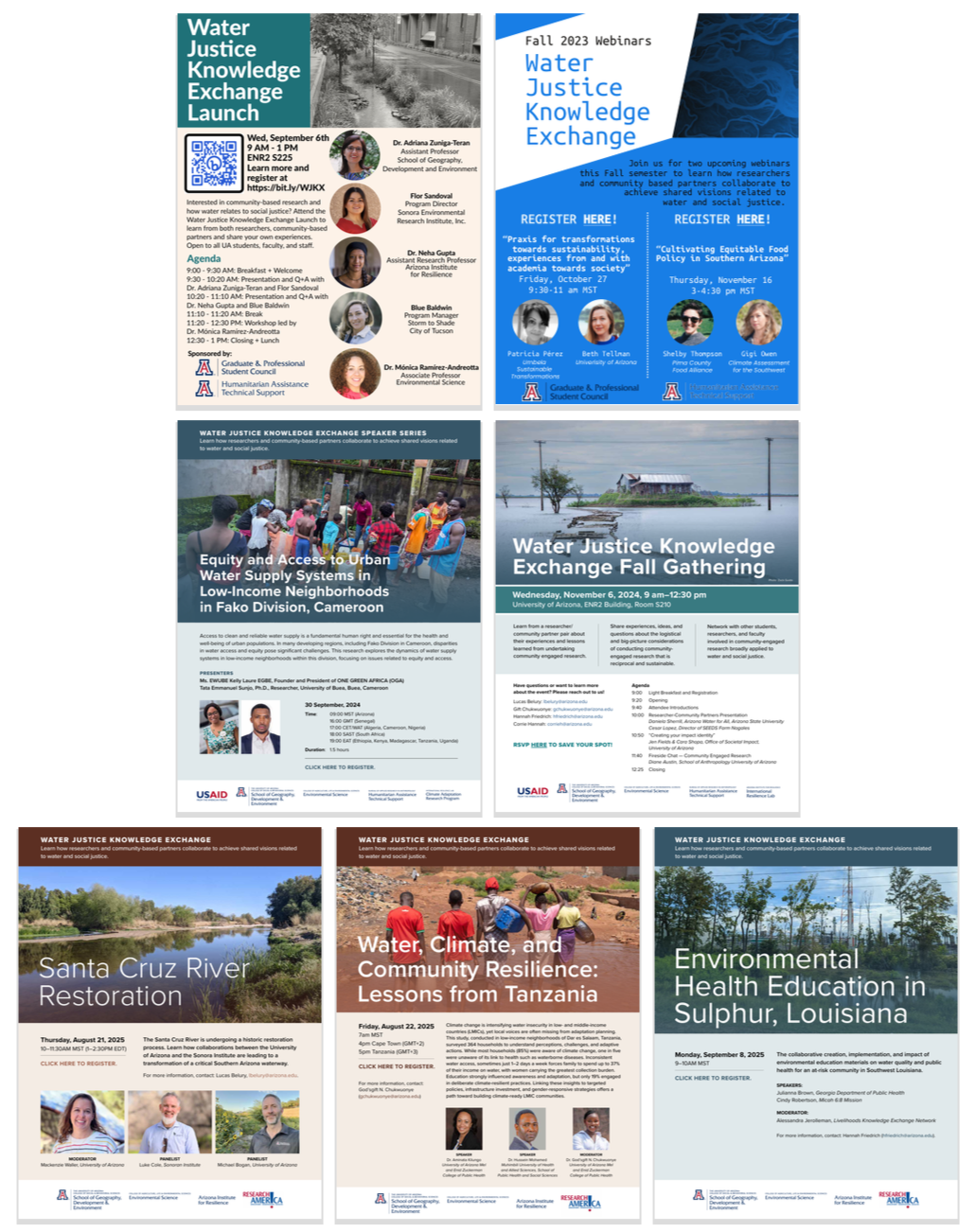
I collaborated with three doctoral students in Geography and Environmental Science to convene a series of interactive events pairing researchers with community partners working at the intersection of water and social justice. The exchange included two in-person events and six webinars, bringing together voices from both sides of researcher-community collaborations to share challenges, strategies, and lessons learned.
A peer-reviewed paper synthesizing insights from the exchange is currently in progress, and is co-authored with the doctoral student organizers and the researcher-community partner pairs who participated in WJKX events. The paper centers the perspectives of community partners alongside researchers, modeling the kind of collaborative knowledge production the exchange was designed to study.
Doctoral Research & Fulbright Fellowship — Tajikistan
Doctoral Researcher & US Student Fulbright Fellow | 2010–2018
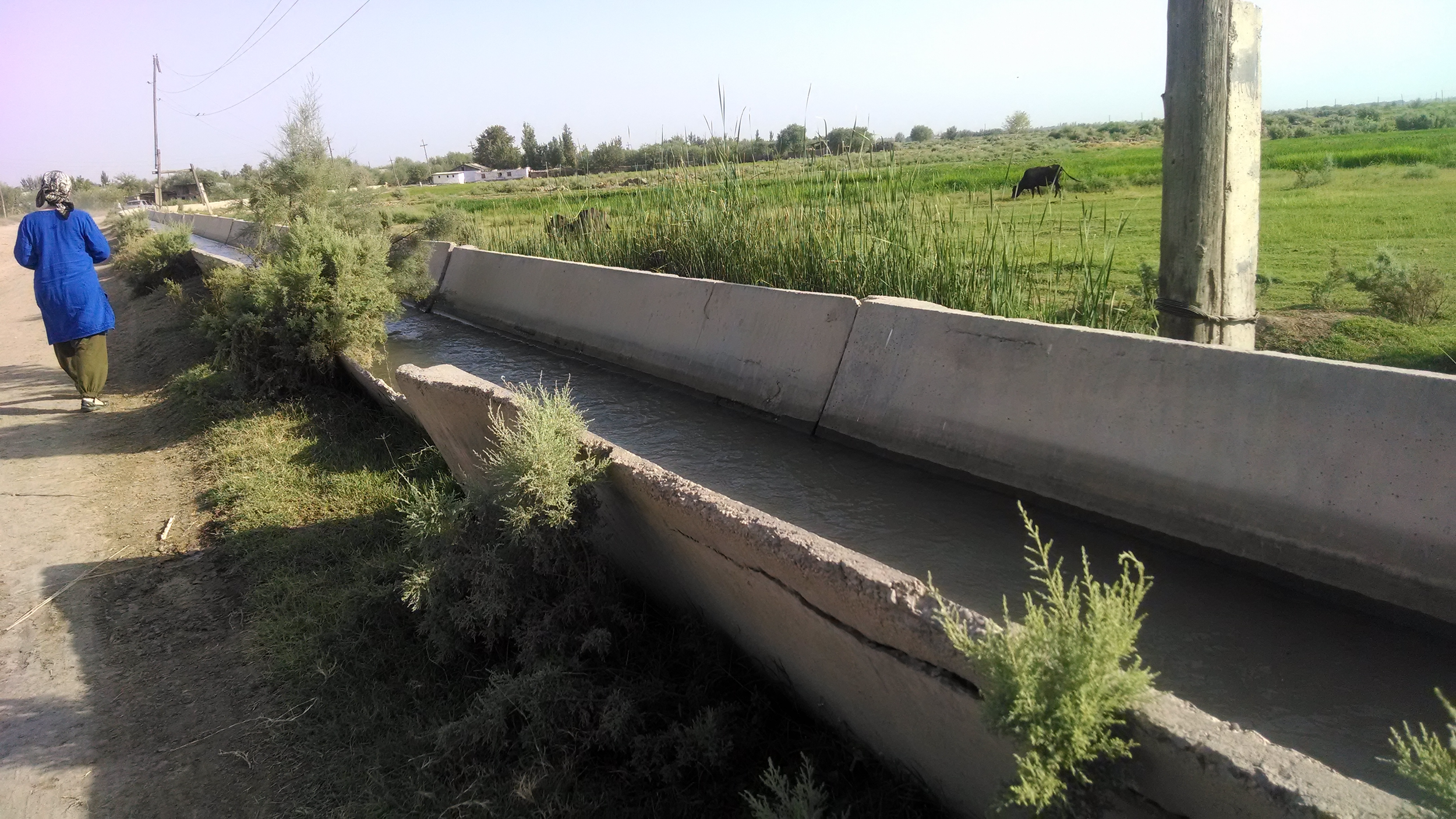
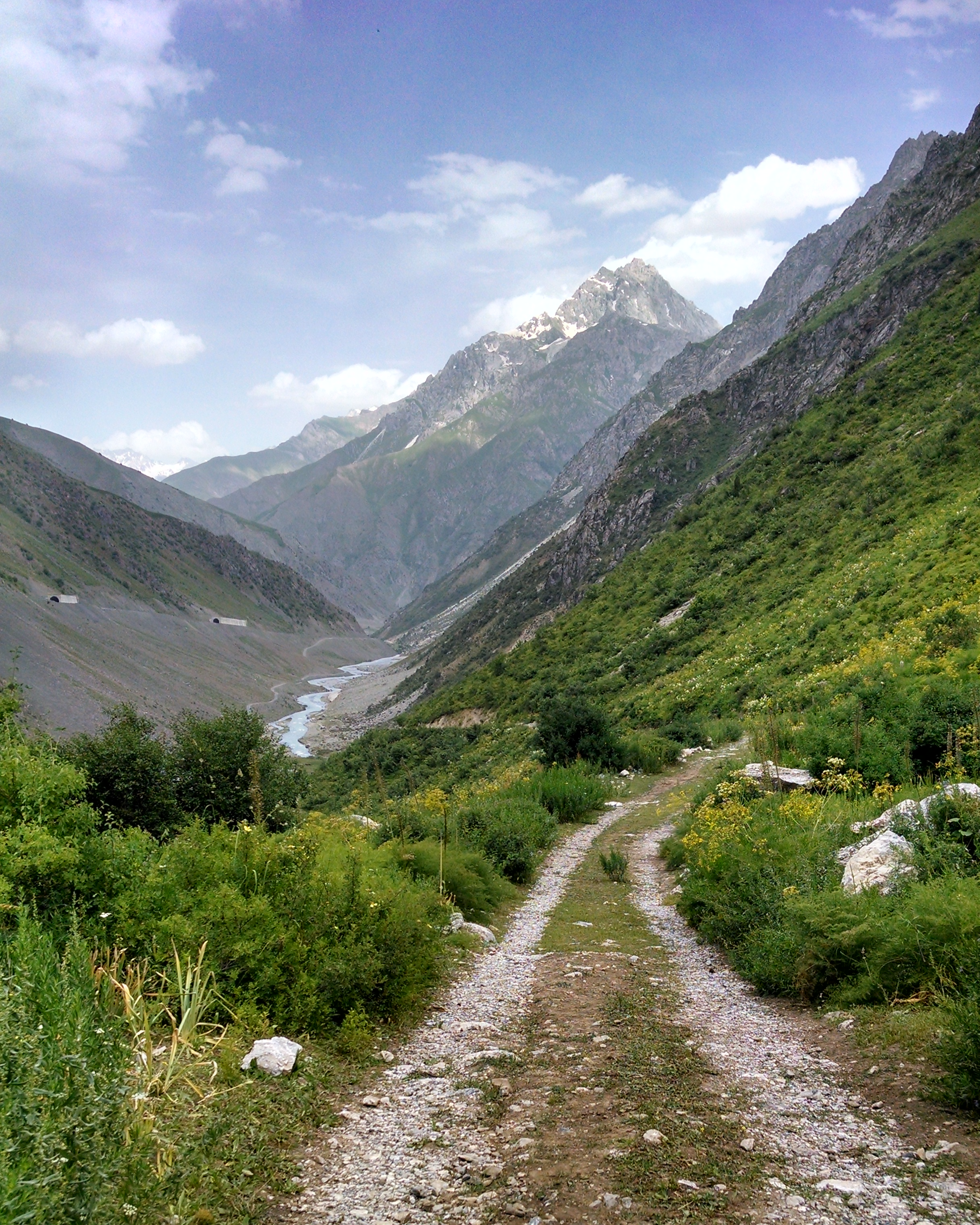
A U.S. Student Fulbright Fellowship in 2010–2011 supported participatory research on sustainable land management and agricultural development in Sughd Oblast. This was my first independent venture of research design and an early immersion into critically examining how communities navigate resource governance under conditions of institutional uncertainty and economic stress. That experience raised more questions on water governance that I ultimately pursued in my dissertation.
My doctoral research at Duke University examined how new institutions for community-based water governance take hold, or fail to. In studying newly formed Water User Associations created by the Tajik government to decentralize irrigation management, I found that new institutions require specific conditions to succeed: trust and reciprocity among resource users, collective choice arrangements that give communities opportunities to provide input into the rules they live by, and enough time and autonomy for those rules to become genuinely normative rather than externally imposed.
The insight that institutions are not built by decree but by the slow accumulation of trust, participation, and local ownership has shaped every program, partnership, and initiative that I have engaged in, from the governance structures built for CARP to the collaborative approach that defines the Water Justice Knowledge Exchange and Global Fair Share Games.