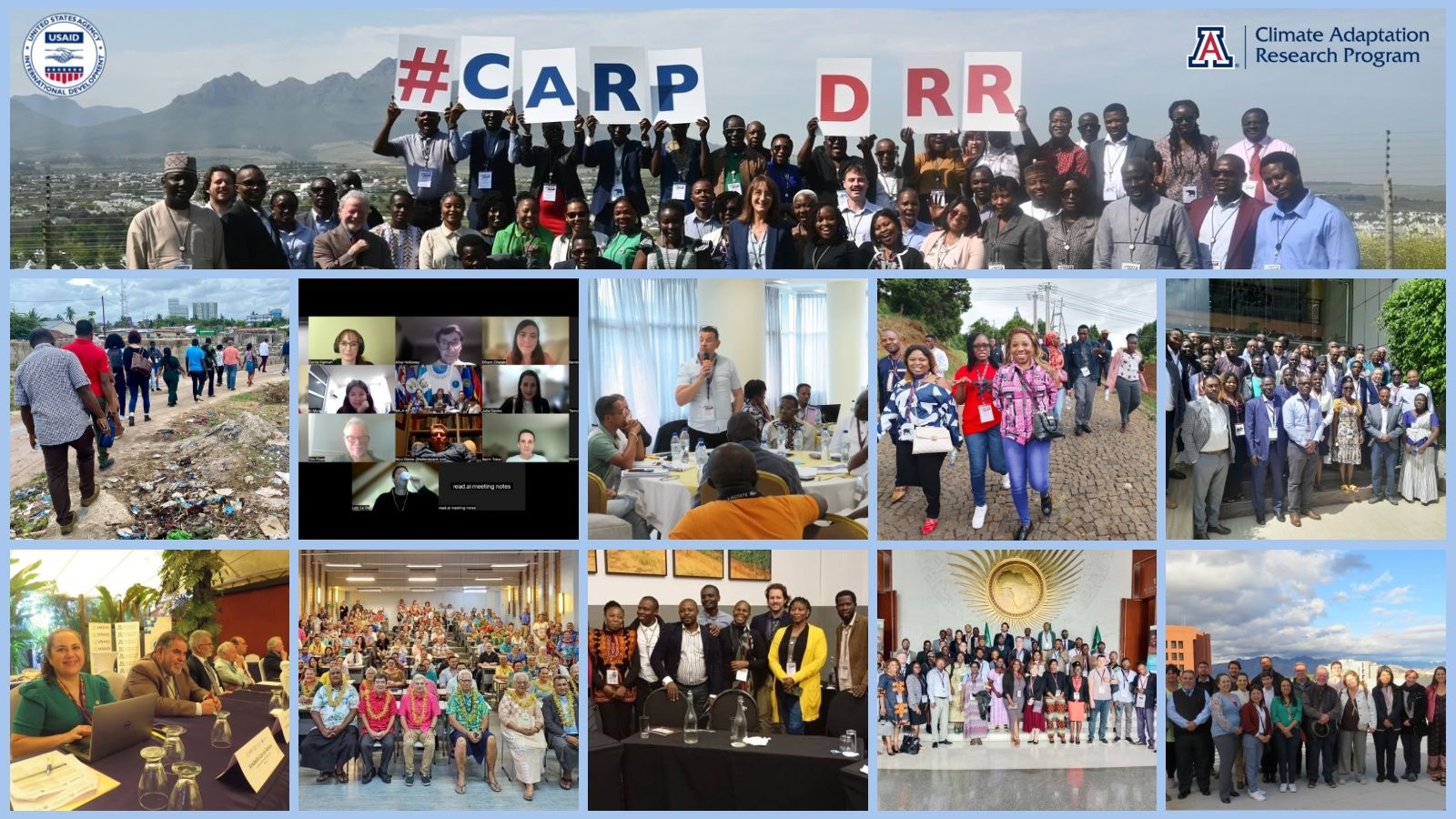
Climate Adaptation Research Program
A New Generation of Climate Adaptation Research for Disaster Risk Reduction
USAID Bureau for Humanitarian Assistance | 2022-2025
The Problem
The communities most at risk from climate change are also the least funded and the least heard in climate adaptation research. Global South researchers are the closest to the floods, droughts, extreme heat, and hurricanes devastating their communities. They are therefore best situated to work within their communities, with their decision-makers, and across their regions to address those very disasters. Moreover, early investment in disaster risk reduction, including research, reduces the cost and scale of the humanitarian response required when disasters do occur.
CARP was created to invest in locally-led research leadership capacity across these regions and strengthen the evidence base that reduces disaster risk and future humanitarian need.
““When I understand what threatens my community, I can help protect them.””
What CARP Was
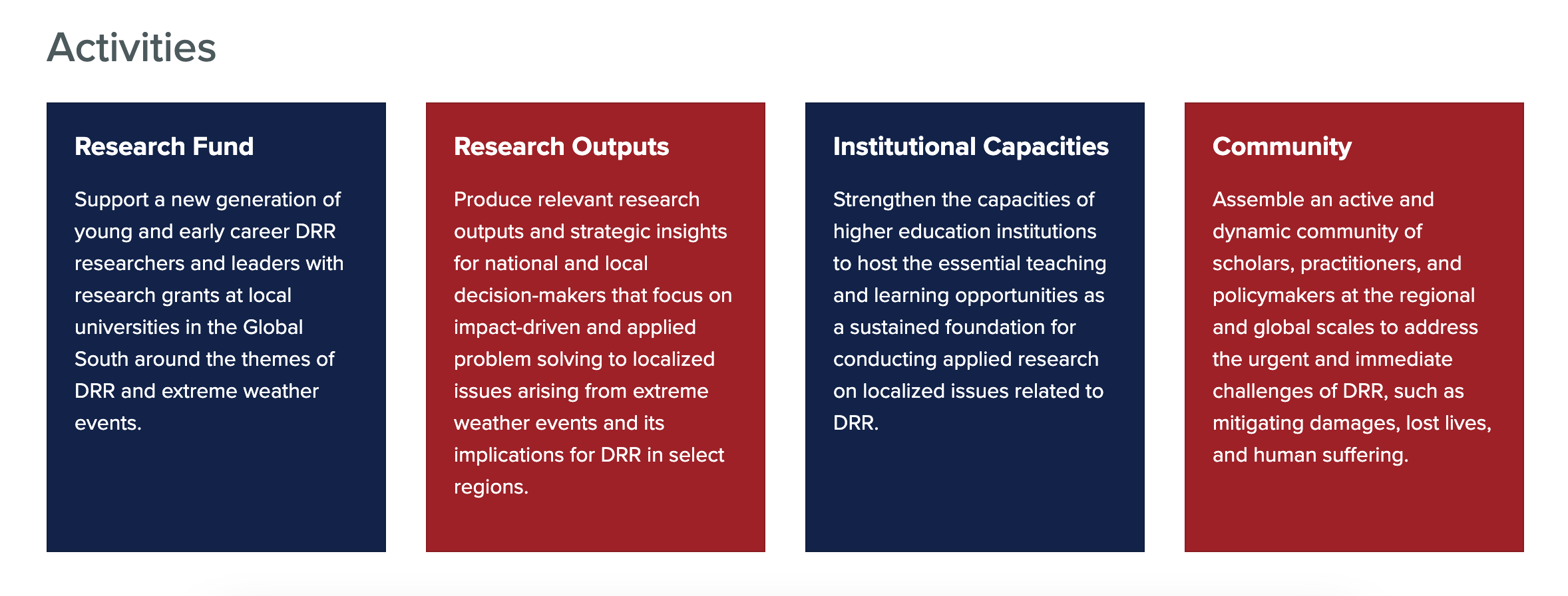
The Climate Adaptation Research Program was a transcontinental research initiative designed to strengthen disaster preparedness and climate adaptation decision-making by putting Global South researchers in the lead. Rather than centering Global North expertise or requiring partnership with Global North institutions, CARP reversed the traditional research funding model. The program provided grants, offered training in research methods and outreach, and cultivated a global peer network so that local researchers could define their own questions, own their results, and connect their findings directly to the governments, NGOs, and communities that needed them.
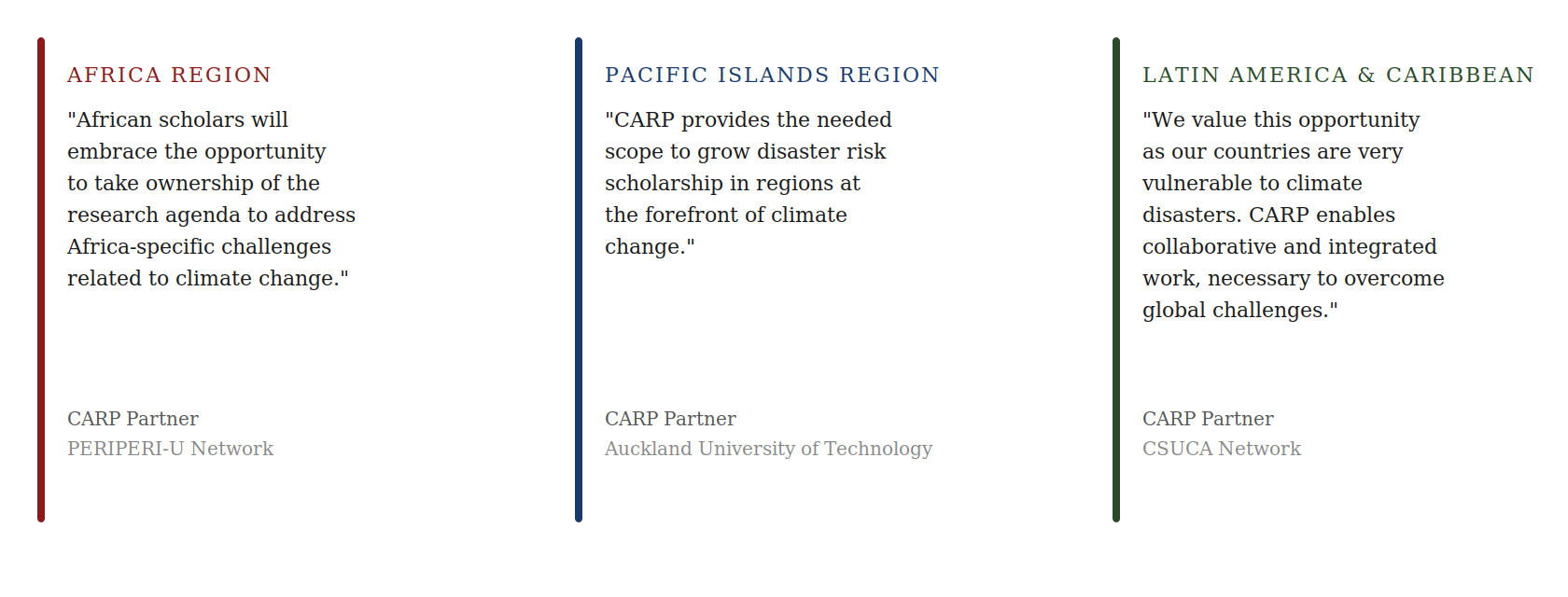
The program operated across three regions through institutional partnerships with:
Stellenbosch University & the PERIPERI-U Network — an 18-university African disaster risk reduction network (at the time of the grants), housed at the Centre for Collaboration in Africa at Stellenbosch University
Consejo Superior Universitario Centroamericano (CSUCA) — representing 25+ universities across Central America and the Caribbean region and connected to networks of universities of over 500 institutions across Central and South America
Auckland University of Technology — serving as the Pacific Islands hub for building the research and institutional capacity disaster risk reduction and climate adaptation
University of Arizona — hosted the program as the main convening partner across the three CARP regions and served as the direct liaison to the USAID Bureau for Humanitarian Assistance
What Was Built
Scale
55+ countries engaged across the program over the pilot and expanded program
300+ scholars supported across cohorts
100+ proposals received across competitive, targeted multi-region funding calls to universities
33 applied research projects implemented across 11 countries in the African cohort alone, supporting 125+ scholars from 10 universities
20 projects selected across Africa and 20 across Latin America and the Caribbean in the 2024 cohort, which was to support 200+ scholars in 21 countries
500+ universities across Latin America and the Caribbean represented at the regional launch through the CSUCA network and partnership with additional university networks in the region
100+ organizations and partners engaged
Convening & Learning
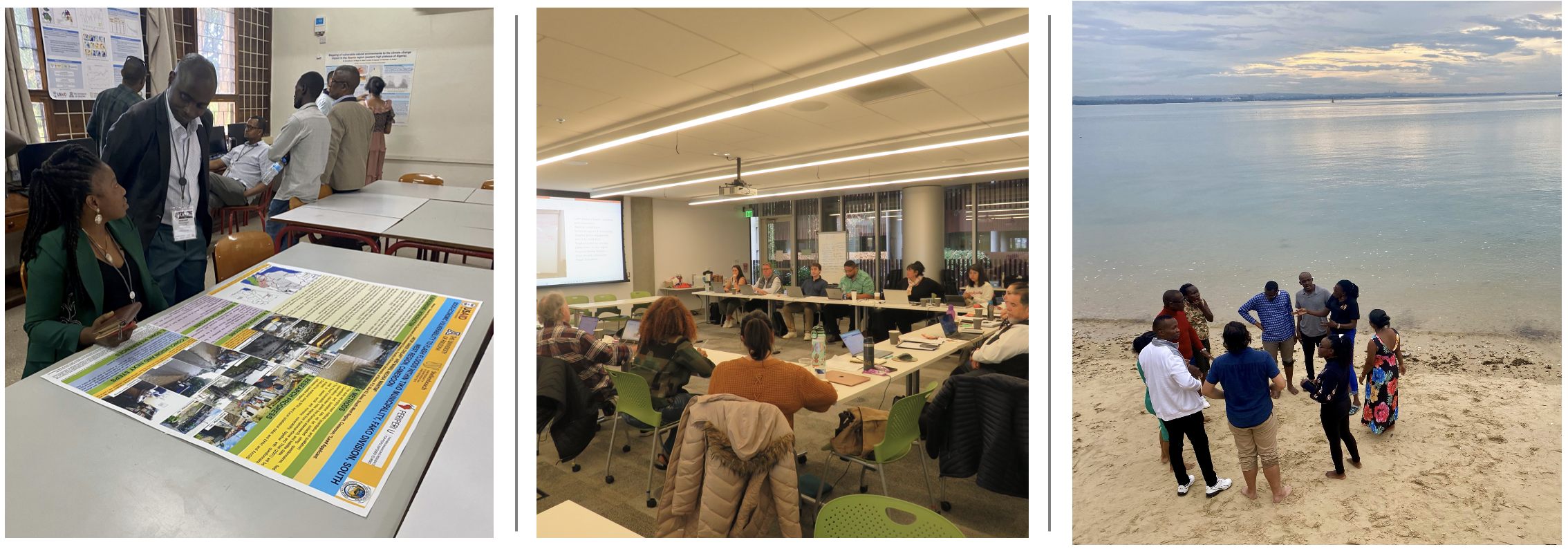
Six in-person, multi-day workshops delivered across Africa, Guatemala, and Arizona
A 15-session public webinar series focused on leadership development, applied research skills, and evidence-to-decision pathways
Direct South-to-South partnerships built across regions, aiming to connect researchers facing similar disaster dynamics across different continents
Program Infrastructure
A transcontinental team of 18 faculty partners and staff, and 8 graduate researchers
Governance structures, workflows, and decision-making processes to support a new, experimental initiative in global higher education partnerships
A foundational platform for cross-sector, transcontinental collaboration, mentorship, and applied learning at the intersection of climate adaptation and disaster risk reduction
In Their Own Words
The Funding Stopped. The Need for Locally-led research did not.
Intended to run until 2028, CARP concluded early in 2025 following federal funding terminations tied to changes in U.S. government priorities. At the time of termination, the program had completed its two-year $2M pilot in Africa and was entering its second year of a five-year $10M transcontinental expansion across Africa, Latin America and the Caribbean, and the Pacific Islands.
For the scale and scope at which the program operated, the funds were nominal. Early investments into disaster risk preparedness, including research, reduce the scale of need for humanitarian assistance when disasters do occur. However, at the time of termination, 40 additional projects had been selected but not yet fully funded in the 2024 cohort, representing 200+ scholars across 21 countries who were ready to do the work.
Climate disasters are intensifying. The researchers, networks, and institutional relationships built through CARP remain. There remains urgent an need for a supported research community connecting evidence to action across the Global South.
What This Demonstrates
CARP was an institution-building exercise at a transcontinental scale. It involved securing and launching a new program from scratch, building a multinational team and governance structure, designing and managing competitive funding calls across three continents, and delivering convening and capacity-strengthening experiences for hundreds of early-career scholars simultaneously. Funded researchers worked directly with leaders, communities, and organizations within their own countries and shared their findings with relevant audiences to inform and improve localized disaster risk reduction and climate adaptation action.
For organizations building research systems and partnerships that connect evidence to action in service of communities facing climate risk, CARP is what that looks like in practice.
We learned a great deal — including hard lessons about what works and what doesn't at this scale. Get in touch if you'd like to connect about lessons learned.
Note: This page was created, in place of the websites that were taken down, and out of respect for the immense time and energy our partners and scholars put into making this program a reality.